
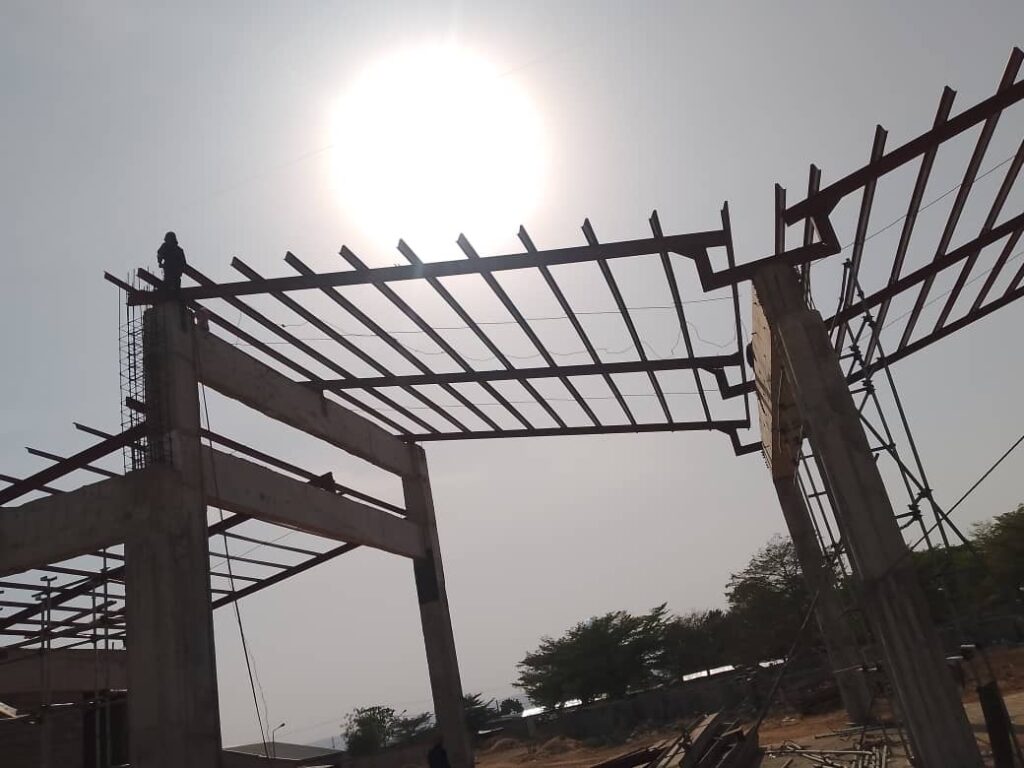

In the Nigerian construction industry, it is not uncommon to encounter two projects with virtually identical design briefs, scope of works, and specifications, sometimes even located within the same estate or local government area — yet showing multi-million-naira differences in final contract sums. While many stakeholders attribute such disparities solely to location, market fluctuations, or inflation, a deeper analysis through elemental cost planning and Bill of Quantities (BOQ) preparation reveals that the primary drivers are variations in material quality and material quantity.
Client Misconceptions: The “I Saw It Elsewhere” Syndrome
Many clients believe that because they have seen a particular design abroad, in a magazine, on social media, or because a friend or relative has constructed a similar project they admire, they can replicate the same building on their own land at the same cost. This assumption forms the first major problem. Clients often think: “If my friend’s project cost ₦150 million, then mine should also cost around the same amount,” without consulting any construction professional.
The reality, however, is far more complex. Even when two projects appear identical in design, drawings, and scope, numerous factors determine the actual cost. Material quality and material quantity play the most critical roles. What clients see and admire in another project is often the visible outcome of specific choices: high-quality blocks, proper concrete mixes, certified reinforcement, premium finishes, and accurate quantities — that are rarely obvious to the untrained eye. Replicating the “look” without replicating the underlying specifications almost always leads to significant cost differences or, worse, compromised quality.
Most clients readily appreciate the differences in material quality once they are explained. However, the quantity of materials — governed by accurate material take-off, adherence to standard mix designs, and compliance with the Building and Engineering Standard Method of Measurement (BESMM 4R) is frequently overlooked. These two factors directly influence structural integrity, durability, serviceability, and long-term maintenance costs.
Below is a detailed examination of how material quality and quantity create significant cost variances across key work sections.
1. Masonry Walling (Blockwork)
For a standard 1 m² of blockwork (approximately 10 blocks), BESMM 4R prescribes precise mortar mix ratios (1:3, by volume, for cement and sand mortar) and joint thickness. Yet some deliberately reduce the cement content or substitute inferior sand to increase coverage per bag of cement. This practice lowers the material quantity in the BOQ but severely compromises compressive strength and bond integrity.
Block quality itself varies dramatically:
• Mechanically vibrated dense concrete blocks (produced with sharp sand, stone dust, granite fines, and cement) deliver superior density and strength.
• Hand-molded blocks using minimal cement and only sharp sand result in higher porosity and lower load-bearing capacity.
Current market rates in Abuja and Lagos illustrate the gap:
• High-quality solid blocks: ₦600–₦700 per block
• Low-grade hand-molded blocks: ₦350–₦550 per block
Such differences in material specification directly affect the elemental cost of substructure and superstructure walling.
2. Earthworks and Substructure Filling
Filling and hardcore materials are measured in accordance with BESMM 4R Section 2E (Earthworks). Cost variations within this section typically arise from several critical factors:
• Material type: random laterite, loose stones, crushed granite, hardcore, or well-graded sharp sand.
• Number of layers and degree of compaction achieved.
In practice, however, there is often noticeable deviation from specification in some construction sites. Some contractors fail to use the prescribed materials, with substitutes frequently employed in place of approved options as stated above. The quantity of material used is not just about volume but also placement methodology. Proper filling requires execution in controlled layers, with each layer adequately compacted to achieve the required density. The degree of compaction, along with the use of appropriate mechanical equipment such as vibratory compactors, significantly influences both performance and cost.
Differences in material quality, quantity, and workmanship standards contribute to the cost differences we see between otherwise similar projects in design, scope, and specifications.
3. Oversite Concrete and Blinding

Concrete works, measured under BESMM4 Section 2F – In situ Concrete, are highly sensitive to mix design. Standard nominal mixes such as 1:3:6, 1:2:4, and 1:1.5:3 are not interchangeable because each has a different cement content, which directly determines both material quantity and final strength.
Deliberate reduction of material costs by substituting a weaker mix for the one specified in the BOQ. Common examples include using 1:3:6 (a lean mix suitable mainly for blinding) in place of 1:1.5:3 (a richer structural mix), or 1:2:4 instead of the specified higher-cement mix. These substitutions significantly reduce the quantity of cement required per cubic metre, allowing the contractor to save substantially on material costs while still presenting a seemingly compliant BOQ.
In addition, many sites bypass proper batching by using unmeasured “cement-and-sand-only” mixes or low-grade aggregates. These further lowers both the material quantity and workability.
A properly designed oversite concrete blinding layer — typically 1:3:6 using clean granite — provides essential load distribution and moisture resistance for the ground floor slab. However, when contractors apply a much leaner or incorrect mix to cut costs, the entire foundation system is compromised. This leads to reduced durability, increased risk of cracking, differential settlement, and costly remedial works later.
Such practices clearly illustrate how variations in material quality (type and grade of aggregate) and material quantity (especially cement content) create multi-million-naira differences in elemental costs, even when the project scope and specifications appear identical on paper.
4. Reinforcement and Structural Concrete Elements
Reinforcement is measured by mass (tons) under BESMM4 Section 2R. This makes it one of the most critical areas where variations in material quality and quantity create significant differences in both contract sum and structural performance.
High cost and performance gaps exist between:
• Certified high-yield TMT deformed bars (BS 4449 compliant) and lightweight, substandard “fake” or locally produced bars that often lack proper ribbing and tensile strength.
• Correct bar diameters and spacing as specified by the structural engineer, versus undersized bars.
A common cost-cutting practice is the substitution of smaller-diameter bars than specified. For example, where the consultant engineer specifies Y25 (25mm diameter) bars for critical structural elements such as columns, beams, or foundations, some contractors replace them with Y20 or even Y16 bars. Because reinforcement is billed by weight, using smaller-diameter bars substantially reduces the total tonnage required, leading to considerable savings in material cost.
Beyond diameter substitution, other practices include using non-standard or lightweight reinforcement, reducing the number of bars, shortening lap lengths, or providing inadequate anchorage. In extreme cases, some reduce the size of structural elements (columns, beams, or shear walls) to further cut down on concrete and steel quantities.
While these measures lower the immediate material quantity and bring down the elemental cost in the BOQ, they seriously compromise the building’s structural integrity, serviceability, and safety. The result is often hidden risks such as excessive deflection, cracking, or even partial structural failure over time.
This section clearly demonstrates how seemingly identical projects can have vastly different costs depending on whether the contractor adheres to the specified material quality and accurate quantities or opts for cheaper alternatives.
5. Formwork and Shuttering

Formwork is another key area where differences in material quality and quantity significantly affect both initial contract costs and final construction quality. The critical aspect of formwork lies in its direct impact on concrete quality: any error or defect — whether arising from poor material quality or improper fixing and alignment — is inevitably transferred to the finished concrete element.
High-grade marine plywood or proprietary shuttering systems deliver superior concrete finishes, maintain dimensional accuracy, and allow multiple safe re-uses. In contrast, many contractors opt for cheaper, low-grade timber planks or locally produced “marine boards” that lack the strength, durability, and water resistance of standard marine plywood.
A common cost-saving practice is the excessive re-use of substandard formwork materials. While good-quality marine plywood can typically be reused 3–5 times under proper conditions, some push low-grade or local boards to 5–8 uses — and sometimes even more. This practice reduces the total quantity of formwork materials required in the BOQ, lowering the elemental cost in the short term.
However, warped, swollen, or degraded boards lead to grout loss, honeycombing, bulging, and poor surface finishes. These defects often require extensive patching, grinding, or additional plastering, which ultimately increases overall project costs and compromises the aesthetic and structural quality of the concrete elements.
This illustrates how attempts to save on material quantity and quality in formwork can create hidden expenses and reduce the long-term value of the building.
6. Plastering, Rendering, and Screeding

The practice of reducing the cement content in the mix lowers the actual quantity of cement used, resulting in substantial savings on material costs and a reduced elemental cost in the Bill of Quantities. However, the outcome is a weak render or plaster that lacks adequate bond strength and durability, often leading to premature cracking, debonding, and the need for expensive remedial works.
Proper sand screeding before tiling is equally critical. A well-prepared screed with the correct thickness and mix provides a strong, level base that ensures excellent bond strength and long-term tile performance. When contractors cut corners on screed quality or thickness to save materials, it directly affects the cost of the project.
These practices clearly demonstrate how variations in material quality (cement content and sand grading) and material quantity directly influence both the initial contract sum and the long-term performance and maintenance costs of the building — even when projects appear identical in scope and specifications.
7. Finishes and Fixtures

Fixtures, fittings, and finishes represent one of the most visible areas where significant cost variations occur, even in projects with identical scope, dimensions, and specifications.
The differences are particularly pronounced in:
• Floor and wall tiles: locally manufactured varieties versus premium imported Spanish, Italian, or Indian porcelain tiles (₦4,000/m² compared to ₦15,000–₦30,000/m²).
• Paint systems, sanitary wares, doors, windows, electrical fittings, and plumbing installations.
Some clients reduce costs by opting for cheaper local materials readily available in the Nigerian market instead of higher-quality international or standard branded products. While the overall design and room dimensions may remain the same, the choice of fittings and finishes can dramatically alter the elemental cost in the BOQ.
A project using locally produced tiles, basic paint, economy-grade doors and windows, and standard local electrical and plumbing fittings will have a substantially lower contract sum than an identical project that incorporates imported porcelain tiles, premium paint systems, high-quality doors and windows, and branded sanitary wares and fittings.
These choices clearly illustrate how variations in material quality and quantity — even in the final visible elements — lead to multi-million-naira differences in total project cost, despite the projects appearing identical on paper.
The Role of Professional Oversight
When one project is completed for a significantly lower contract sum than a similar project with the same scope, specifications, and location, many clients assume both should have cost roughly the same amount. In reality, the lower sum often results from reduced material quality, lower material quantities, non-compliance with BESMM4 measurement rules, and the engagement of lower-skilled labour.
A contractor delivering premium material quality, accurate material quantities as specified, and using highly skilled artisans will naturally incur — and charge — a higher contract sum. On the other hand, another contractor building what appears to be the “same” project can achieve a much lower price by compromising on material grades, reducing quantities of cement, reinforcement, and other key inputs, and employing less experienced labour.
These differences mean that projects with identical scope, specifications, and even location can still have vastly different total costs. Clients must therefore look beyond the final contract sum and understand the underlying factors that drive price variations.
Accurate elemental cost analysis, rigorous rate build-up, detailed material take-off, and strict value engineering by a qualified Quantity Surveyor are essential. Early engagement and continuous professional oversight ensure that the specified material quality and quantities are actually delivered, labour standards are upheld, and the completed building meets the desired standards of structural integrity, durability, and performance.
Risk Implications of Material Quality and Quantity Variations
Construction cost comparisons must always be specification-driven rather than location-driven. Differences in material quality and quantity are not merely cost issues — they represent significant project risks. Risk isn’t always easy to assess because the frequency and consequences of occurrence aren’t always quantifiable parameters. As a result, they must be approximated either statistically or through alternative methods. In the Nigerian construction context, these risks often materialise as structural cracks, differential settlement, premature deterioration of finishes, compromised safety, or even partial building failure. Clients who accept substantially lower bids without rigorous verification of specifications unknowingly accept higher levels of such risks, which ultimately translate into increased lifecycle costs and remedial expenses.
Conclusion
In conclusion, while two construction projects may share identical scope, drawings, locations, and specifications on paper, significant variations in final contract sums are often driven by deliberate or unintentional differences in material quality and quantity. Clients who rely on “my friend’s project cost this much” or “I saw this design abroad” without professional input frequently underestimate these hidden factors, leading to unrealistic budget expectations or compromised quality.
The lowest bid frequently conceals reduced material specifications and higher project risks. Early engagement of a qualified Quantity Surveyor for elemental cost planning, accurate Bill of Quantities preparation, rigorous rate build-up, and continuous oversight remains the most effective way to align expectations with reality.
By prioritizing specification-driven procurement, proper material quantification, and value engineering, stakeholders can achieve true value for money while safeguarding structural integrity, durability, safety, and long-term maintenance costs. Ultimately, informed decision-making based on professional cost management is not just about controlling budget — it is a critical investment in the safety, durability, and sustainability of Nigeria’s built environment.